FAERI President Becomes Kerala’s First Civilian to Join India–Russia & India–France Military Exercises
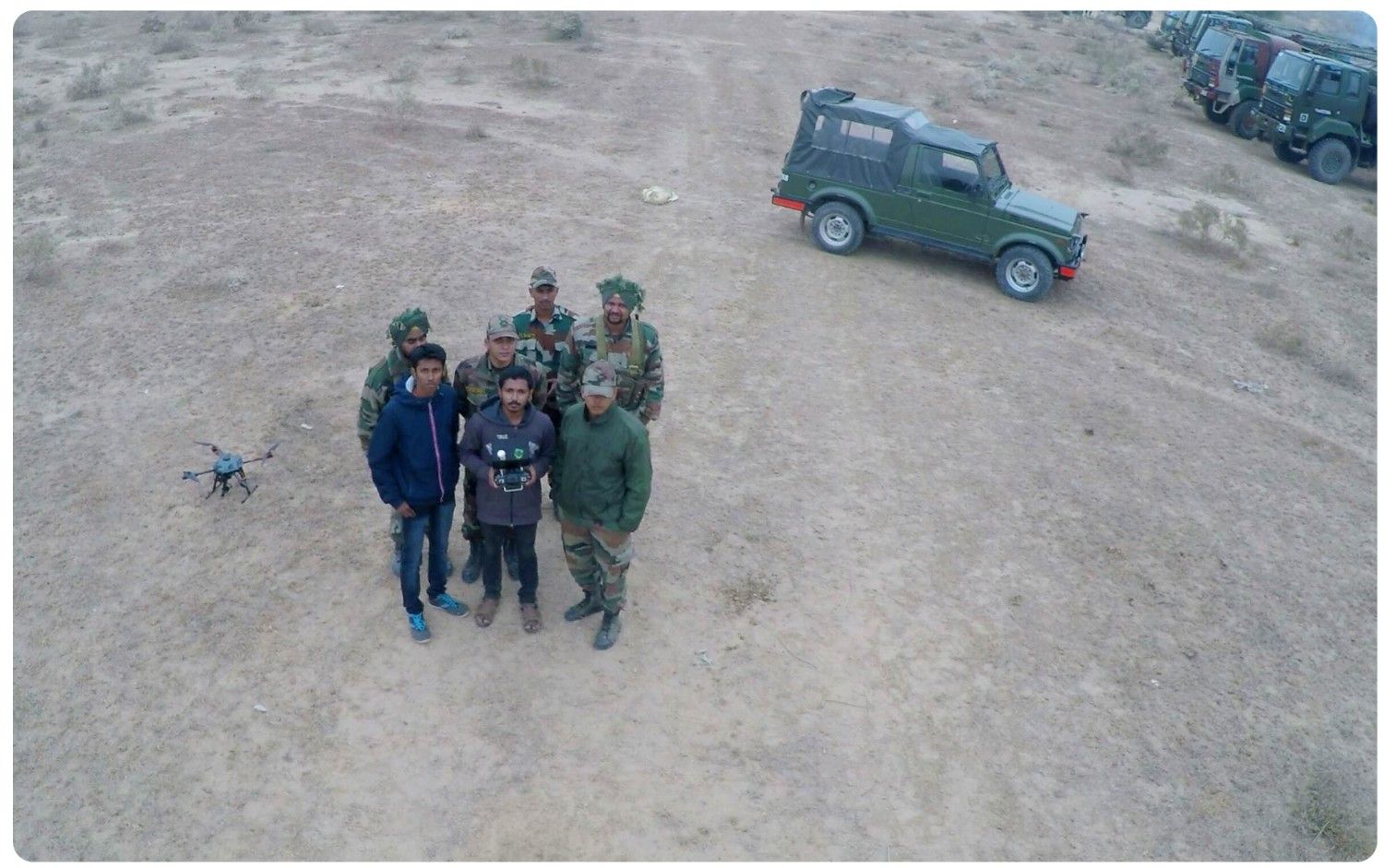
In a landmark moment for civilian-led defence innovation, the President of the Federation of Aerospace Engineering and Robotics Innovations (FAERI) became Kerala's first civilian to join the India–Russia and India–France military exercises, contributing aerospace and unmanned-systems expertise to two elite international training programmes.
A Historic First for a Civilian Engineer
The achievement spans two prestigious international military programmes: the India–Russia Military Training Exercise (2016) and the India–France Military Training Exercise (2017). By taking part in both, the FAERI President became Kerala's first civilian to be included in these elite defence training initiatives — a distinction that places engineering talent directly at the heart of bilateral military cooperation.
Joint exercises of this kind are designed to build interoperability, share operational practices, and test emerging technologies between partner nations. Having a civilian engineer contribute to such programmes underscores how modern defence increasingly draws on specialised technical knowledge from outside traditional military ranks.
Drones and RC Aircraft for the Indian Army
The President's role extended well beyond participation. Drawing on deep expertise in aerospace engineering, flight control systems, and unmanned technologies, he played a pivotal part in developing and supplying advanced drones and RC aircraft to the Indian Army.
These systems significantly enhanced several core areas of field operations:
- Reconnaissance — gathering information across difficult or contested terrain.
- Surveillance — sustained aerial monitoring of areas of interest.
- Tactical assessment — supporting informed, timely decision-making.
- Operational readiness — improving preparedness during field exercises and defence operations.
Why Unmanned Systems Matter
Across the world, unmanned aerial vehicles (UAVs) and remote-controlled aircraft have become valuable tools because they can operate where sending personnel would be slower, costlier, or more dangerous. The same underlying technologies also serve civilian needs — from agriculture and infrastructure inspection to disaster response and mapping — which is why building indigenous capability has wide-reaching benefits.
Strengthening India's Defence Ecosystem
By introducing indigenous UAV and RC technology to military scenarios, the President supported the Army in adopting faster, safer, and more efficient aerial solutions. His contributions reflected exceptional engineering capability, precision innovation, and a strong commitment to strengthening India's defence ecosystem.
The journey stands as a testament to civilian excellence contributing directly to national security and technological progress.
Inspiring the Next Generation of Engineers
This achievement continues to inspire young engineers and highlights the federation's leadership in fostering high-impact advancements in aerospace and defence technologies. As an organisation dedicated to promoting aerospace and robotics education and innovation in India, FAERI champions the idea that hands-on technical excellence can translate into real-world impact — including service to the nation.
For aspiring innovators, the story offers a clear message: rigorous engineering, applied with purpose, can open doors to opportunities of genuine national significance and help shape India's self-reliant future in aerospace and defence.
Frequently Asked Questions
Which military exercises did the FAERI President participate in?
He participated in two international military programmes: the India–Russia Military Training Exercise in 2016 and the India–France Military Training Exercise in 2017.
What makes this achievement historic?
With his participation in these elite defence training initiatives, the FAERI President became Kerala's first civilian to be part of these programmes.
What technology did he contribute to the Indian Army?
He played a pivotal role in developing and supplying advanced drones and RC aircraft to the Indian Army, drawing on his expertise in aerospace engineering, flight control systems, and unmanned technologies.
How did these systems help during military operations?
The drones and RC aircraft significantly enhanced reconnaissance, surveillance, tactical assessment, and operational readiness during field exercises and defence operations.
Why is this milestone significant for young engineers?
It continues to inspire young engineers and highlights FAERI's leadership in fostering high-impact advancements in aerospace and defence technologies, showing how civilian excellence can contribute directly to national security.
Related News